Necf

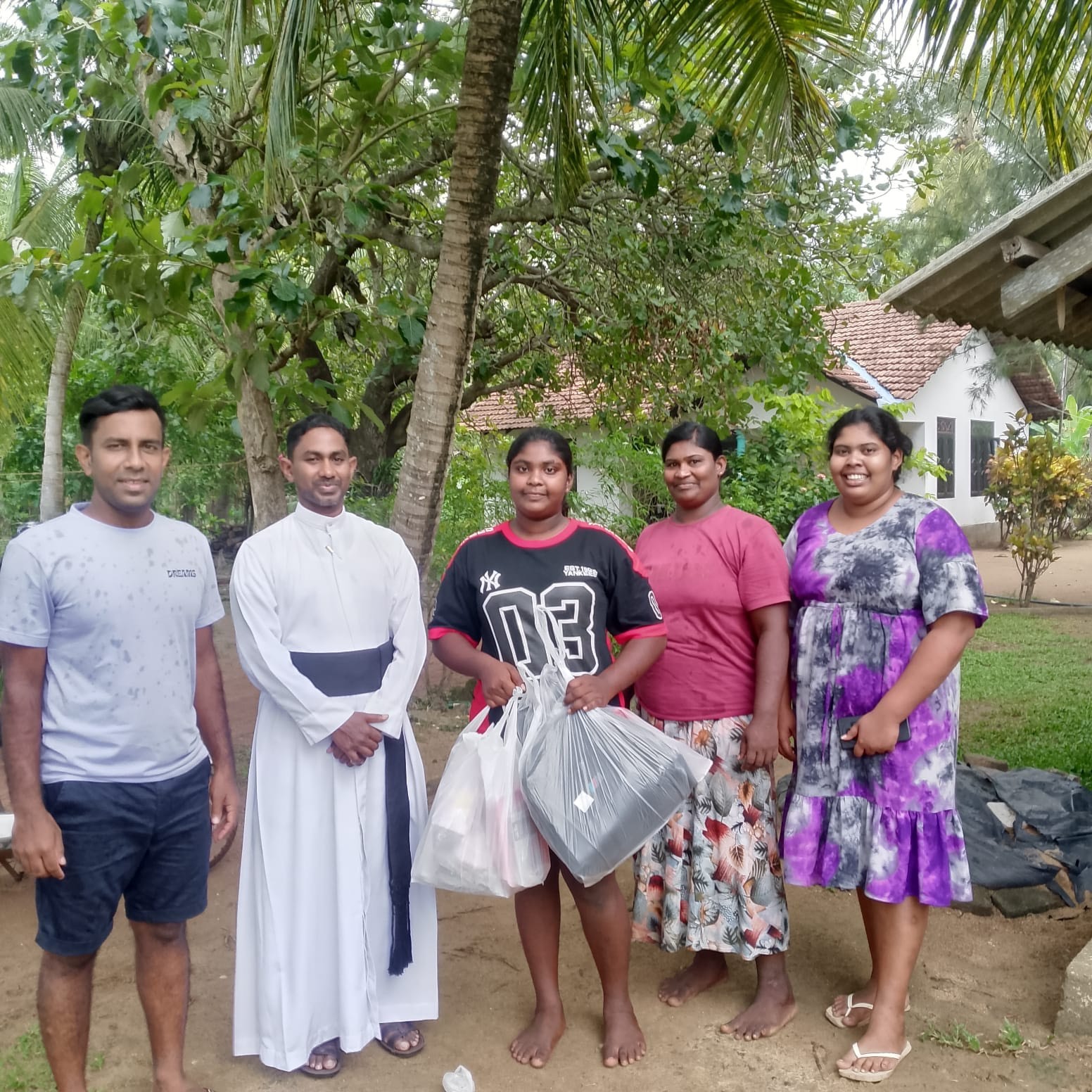
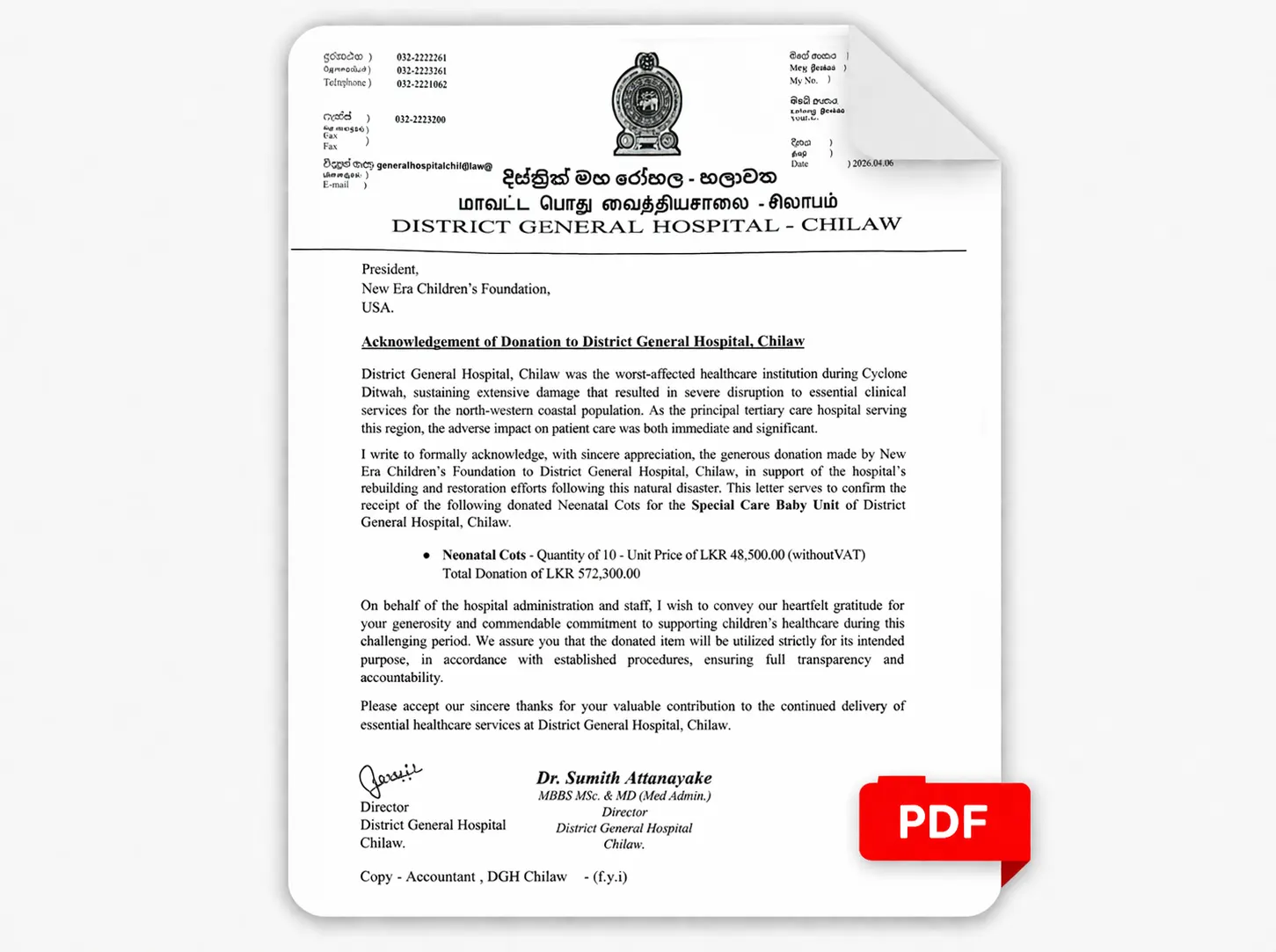
Acknowledgement of Donation to District General Hospital, Chilaw

Homeless Girl Rescued: A Journey to Hope

Greetings, with much gratitude and love.

Finding a Child in Dire Conditions

In Sri Lanka, the team at New Era Children’s Foundation (NECF) discovered a heartbreaking scene. A little girl, barely able to protect herself, was sleeping under a fragile tin sheet. Her only comfort was a thin piece of cardboard serving as her mattress. Exposed to sun, rain, and cold nights, her life was marked by hardship and uncertainty.

A Life of Hardship

  • She faced extreme weather daily, with no shelter to protect her
  • Her meals were irregular, often skipping days without proper nutrition
  • Alone and vulnerable, she lacked guidance and the warmth of a family

Immediate Intervention

Seeing her situation, the NECF team understood that action could not wait. Within hours, arrangements were made to bring her into safety. She was gently rescued, marking the first step in transforming a life that had known nothing but struggle.

A Safe Home and Loving Care

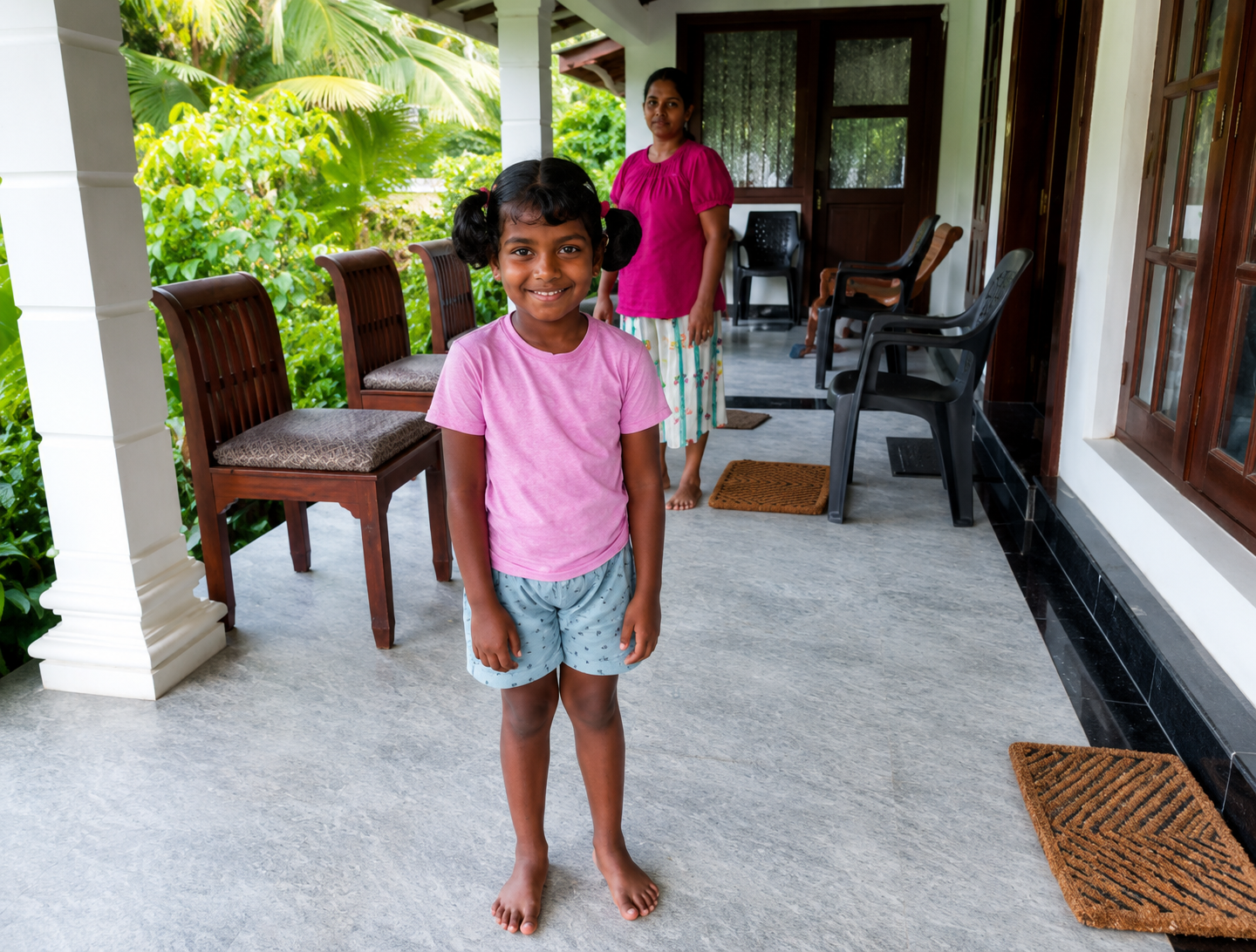
After her rescue, the child was placed in the home of a senior couple, long-time friends of the foundation who are deeply committed to child welfare. Their home became a place of safety, care, and stability, giving her the comfort every child deserves.

Stability and Protection

  • She now has a secure place to sleep and a roof over her head
  • Regular, nourishing meals provide her with the energy and health she had been missing
  • Daily care and attention offer her emotional support and reassurance

Rebuilding Trust

Rebuilding Trust

The constant presence of caring adults has allowed her to slowly feel safe and valued. For the first time in her life, fear and insecurity are being replaced with trust, comfort, and the simple joys of childhood.


Education and Personal Development

Education is the cornerstone of a child’s future, and NECF ensured that this girl would not miss that opportunity. She has been enrolled in a nearby school, where she is learning, growing, and beginning to envision a future filled with possibility.

Academic Support

  • Access to quality learning materials and school resources
  • Guidance to help her adjust and thrive in a classroom environment
  • Opportunities to interact with peers and develop social skills

Nurturing Creativity

Alongside her studies, she has been introduced to music education. Learning to play instruments and sing has given her a creative outlet, helping her express emotions, build confidence, and enjoy moments of joy that were once unknown to her.

The Role of Generosity

This child’s new life has been made possible thanks to the support and generosity of donors. Your contributions have directly ensured her safety, education, and overall well-being.

Establishing a Trust Fund

NECF has set up an education trust fund in her name. This fund will secure her schooling and personal development for years to come, ensuring she continues to grow in a safe and supportive environment.

Impact Beyond Today

Your donation is more than financial support; it represents hope, opportunity, and the promise of a brighter future. The trust fund ensures that this child’s journey of growth and learning will continue uninterrupted, allowing her to dream, aspire, and achieve.

Gratitude and a Brighter Future

We sincerely pray that the blessings generated through this act of kindness bring peace, happiness, and prosperity to the donors and everyone involved. Your compassion has made a tangible difference in the life of this child, giving her a second chance to flourish.

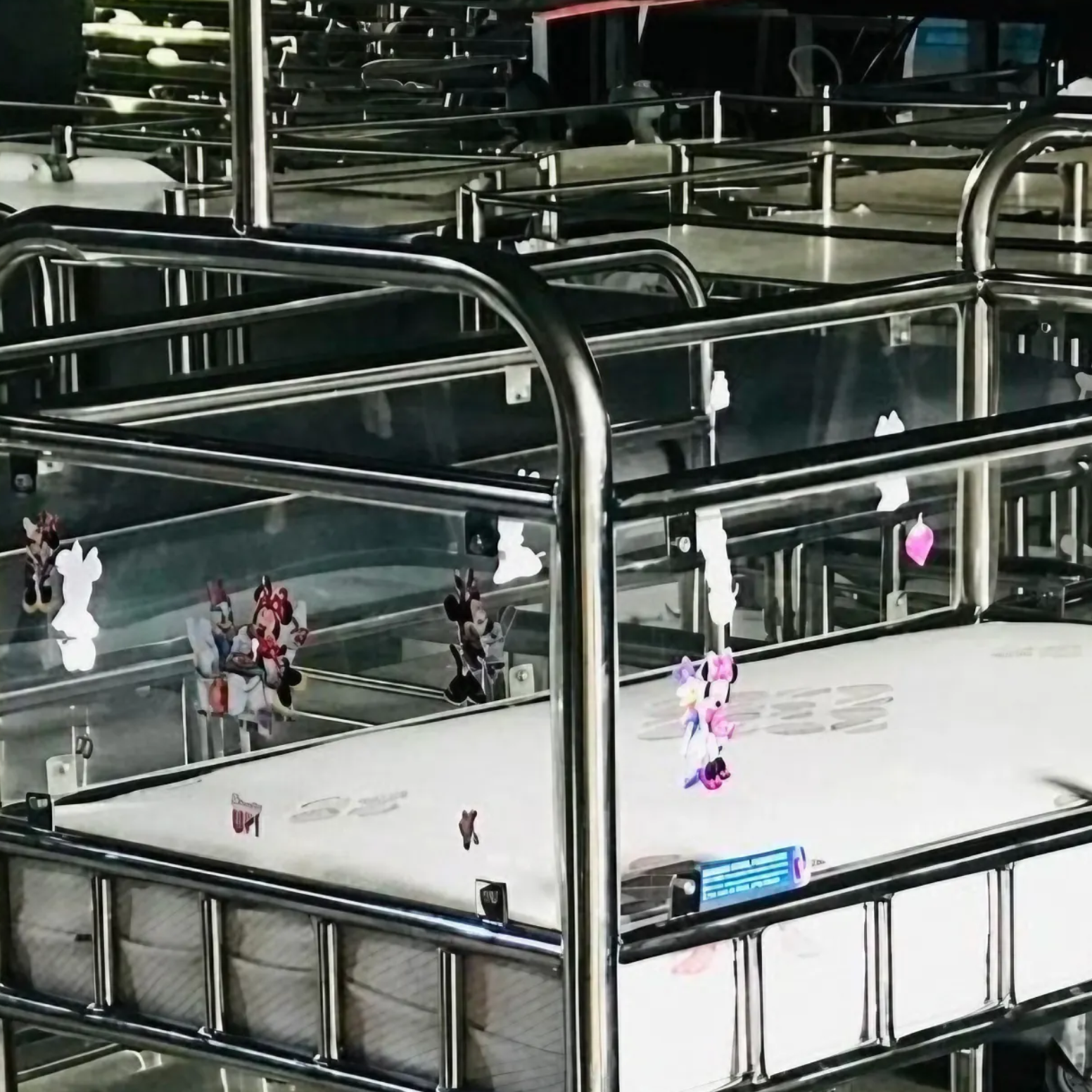
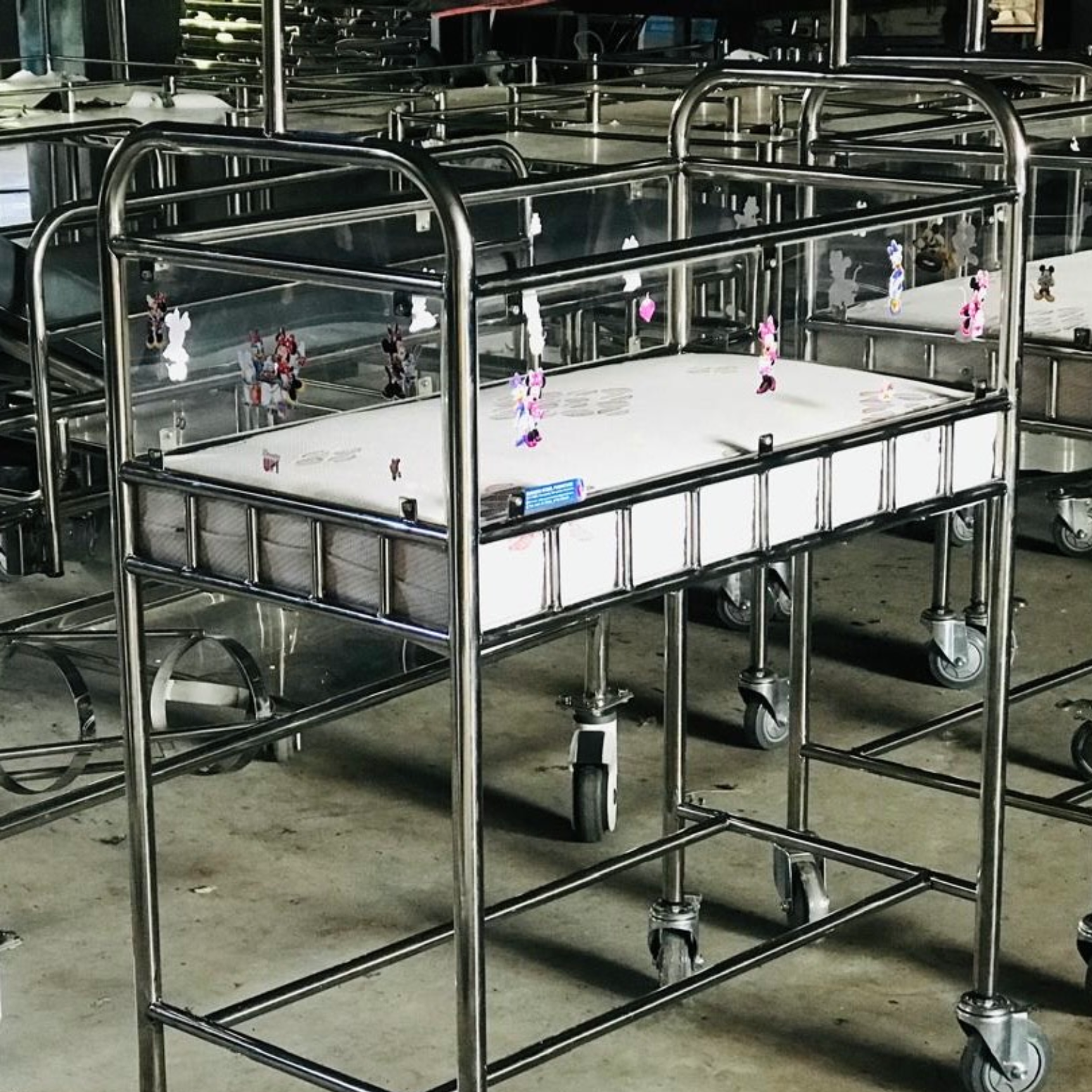
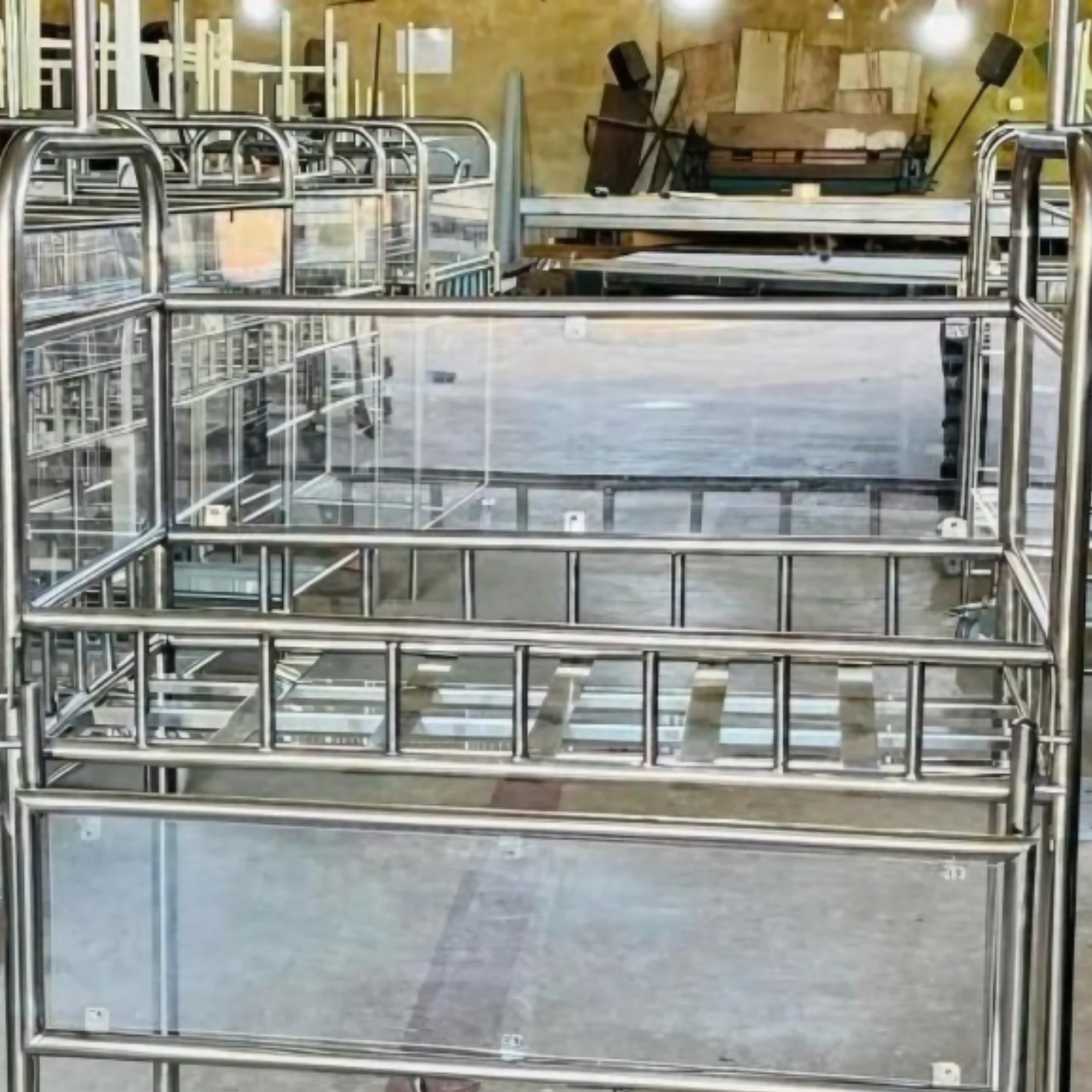
Rebuild Hope for Chilaw’s Children: Fundraiser for 10 Safe Baby Cots After Devastating Flood


necf
necf
necf

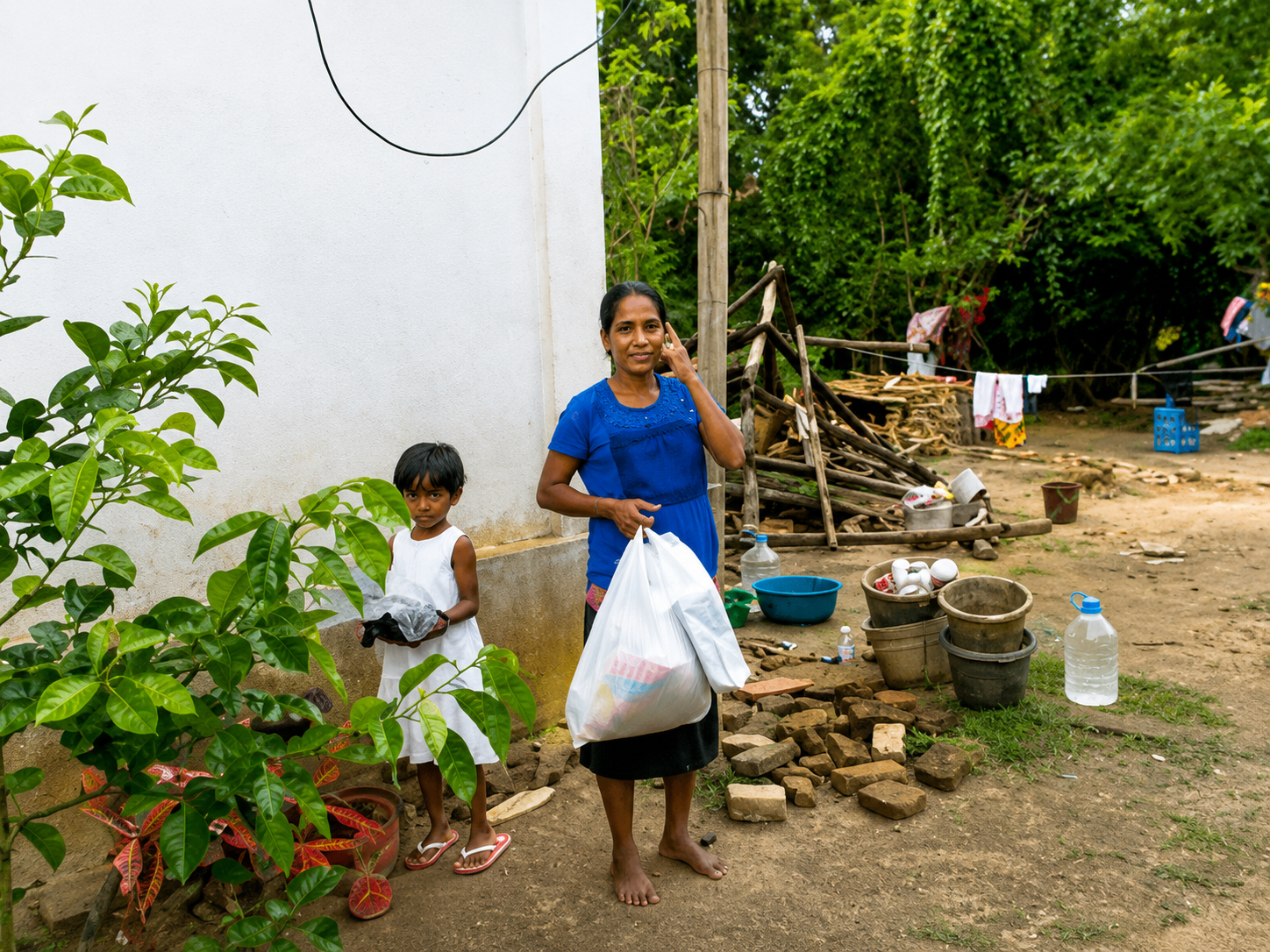
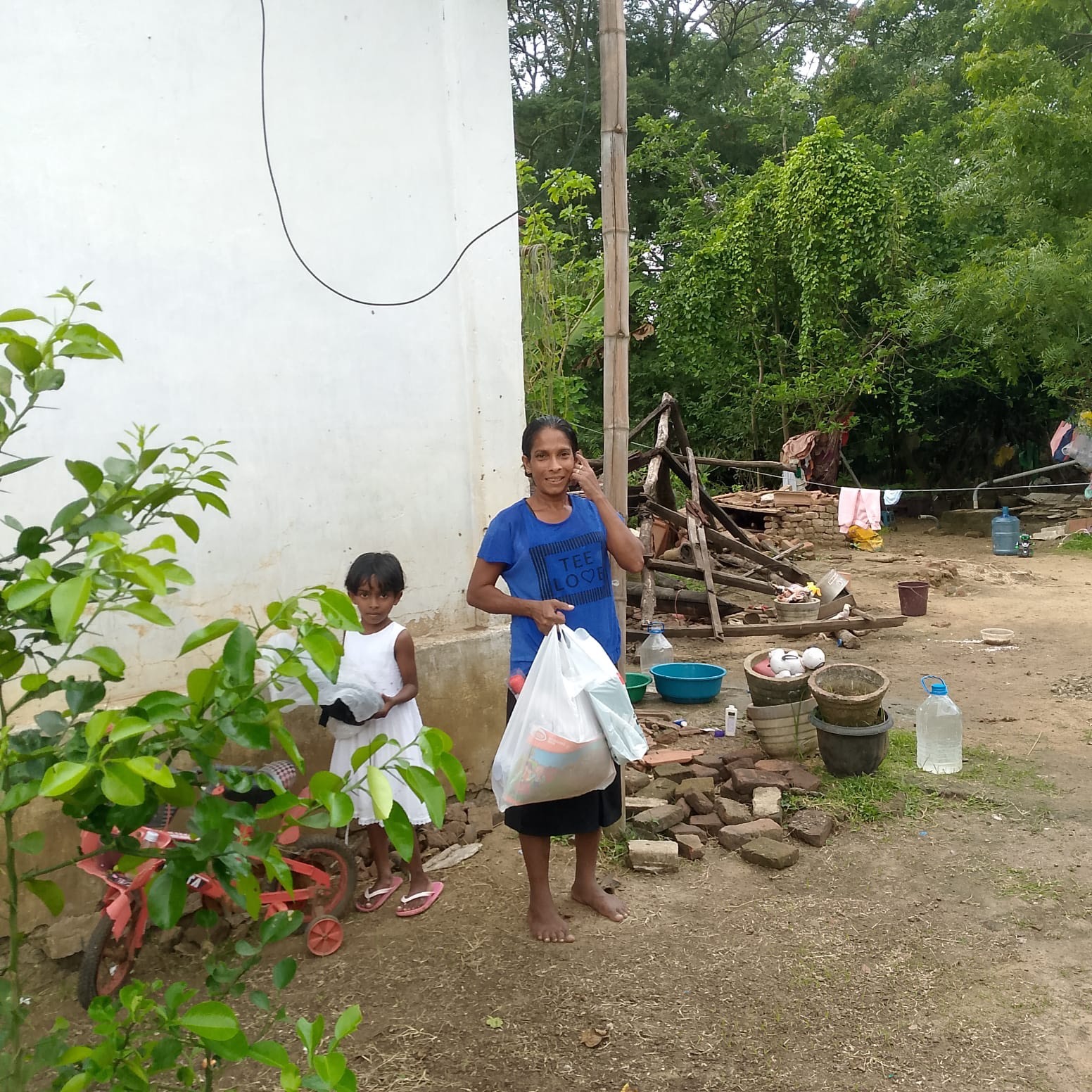
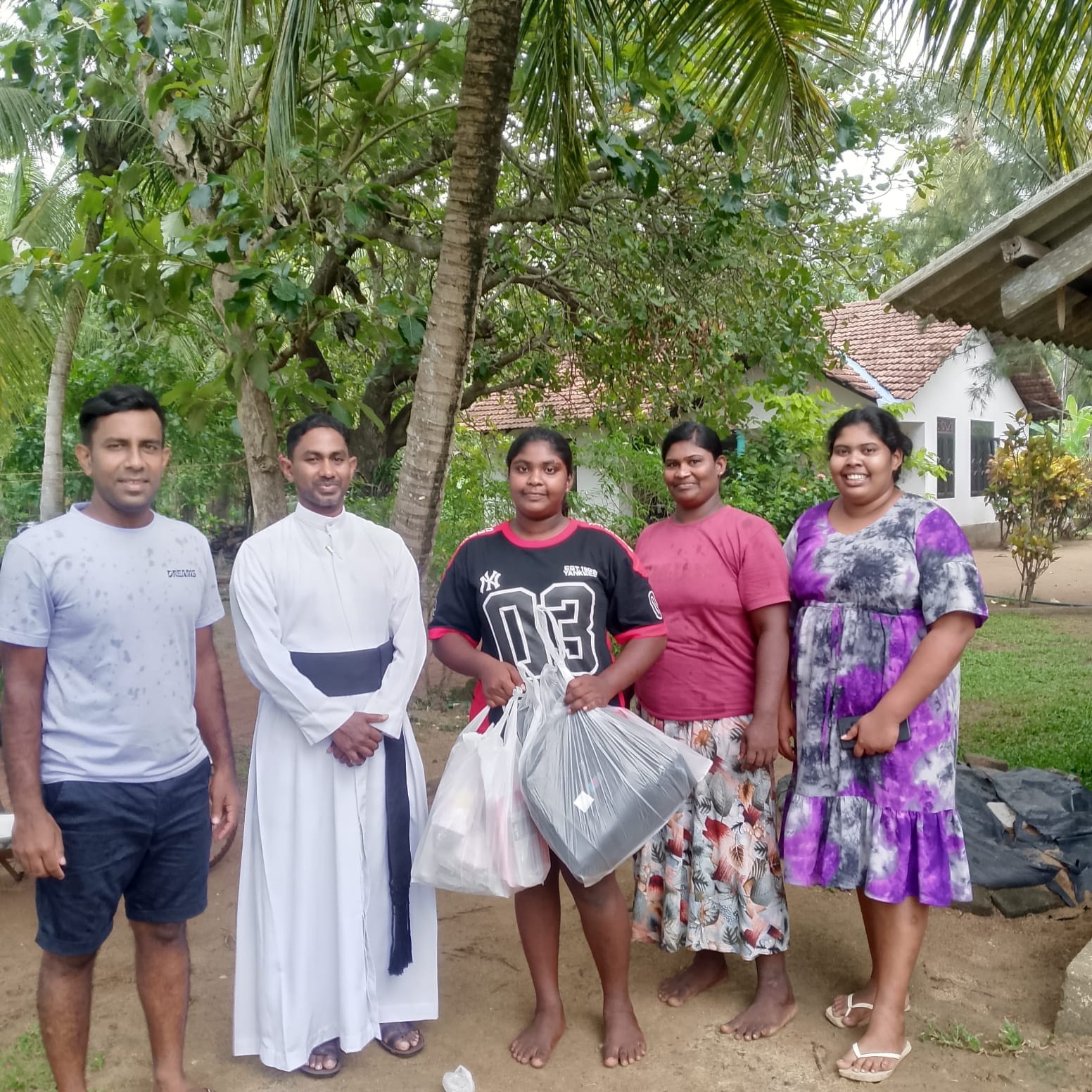
Distribution of School supplies in a rural village in Kakkapalliya, Sri Lanka

Sri lanka Sanitary Pads Manufacturing Project

In Kakkapalliya, Western Province, Sri Lanka, we are developing the SanitaryPads Manufacturing Project, an initiative focused on manufacturing sanitary pads for free distribution among female students in rural schools. This effort addresses a critical gap in menstrual hygiene management, aiming to provide young girls with dignity, confidence, and uninterrupted access to education.

Project Scope

A 3-acre site has been identified for establishing the production facility. The unit will be designed as a sustainable operation, capable of producing high-quality sanitary pads by utilizing eco-friendly and locally sourced materials.

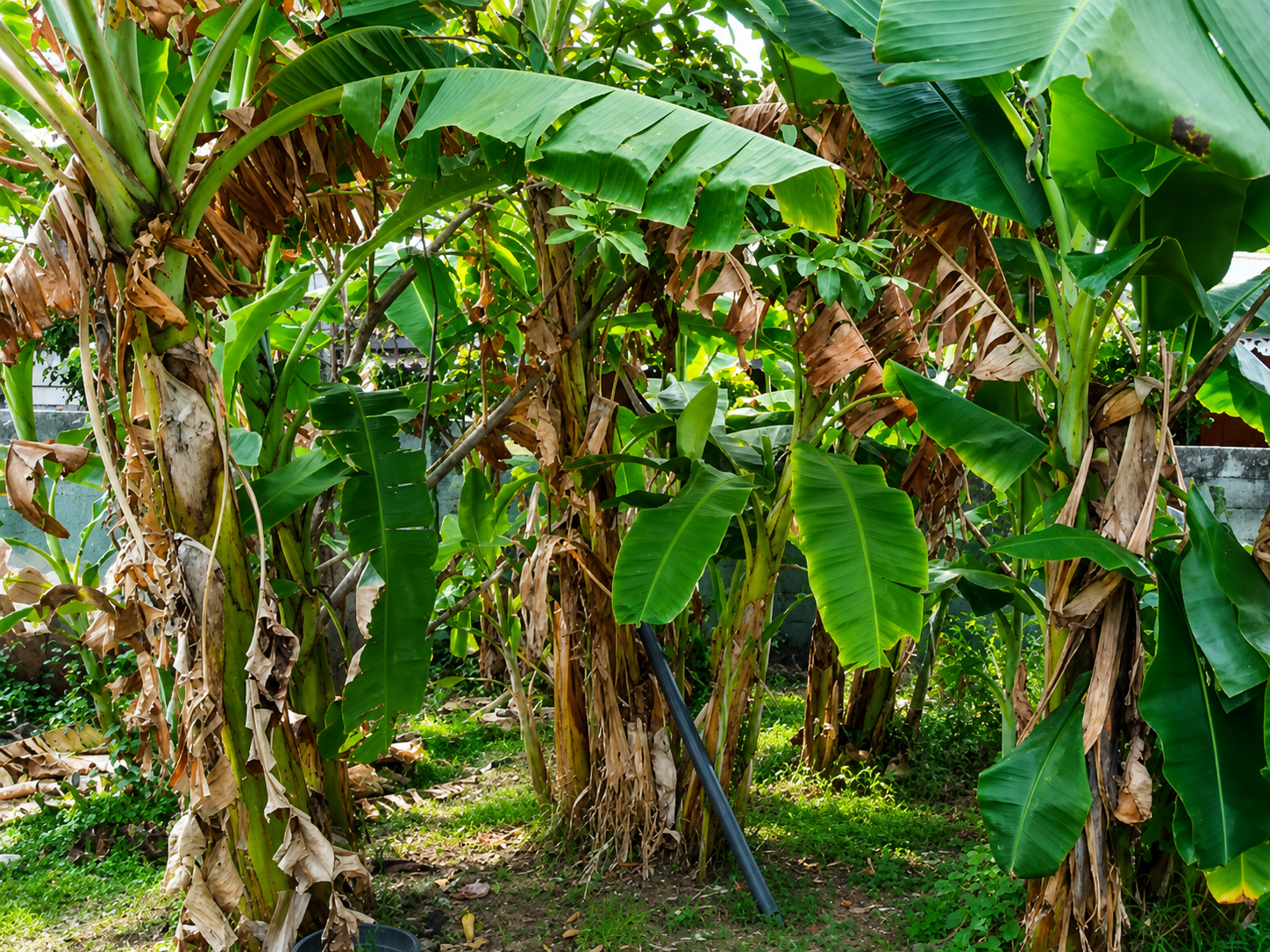
Innovative Use of Banana Fiber

The project employs a pioneering method of using banana plant fiber as the absorbent core in sanitary pads. This process involves two stages:

  • Fiber Extraction – Banana stems are processed through specialized machines to extract natural fibers.
  • Pad Assembly – Sanitary napkin machines, using ultrasonic welding and other modern techniques, assemble the fibers into safe, durable, and hygienic pads.

This model not only ensures affordable and effective products but also transforms agricultural by-products into valuable resources, reducing waste and supporting sustainability.

Why It Matters

For many girls in rural areas, the lack of access to affordable sanitary products leads to frequent absenteeism and disruption in education. Beyond health concerns, the absence of menstrual hygiene support often contributes to stigma and social exclusion. The SaniPads Project seeks to change this reality by offering free distribution of sanitary pads, reducing school dropouts, and empowering young women to pursue their education with confidence.

Looking Ahead

Although still in its early stages, the project is expected to benefit hundreds of students once operational. In addition to direct impact, the initiative aims to:

  • Raise awareness about menstrual health and hygiene.
  • Generate local employment through the production process.
  • Encourage eco-conscious practices by promoting the use of renewable, plant-based materials.

The SaniPads Project is more than a health initiative—it is a step toward gender equality, social empowerment, and sustainable development. By supporting this effort, we are investing in the education and future of young women across rural Sri Lanka.

Sri Lanka Clean Drinking Water Project and new toilet facilities for a rural school

Sri Lanka – Clean Drinking Water and Sanitation Project

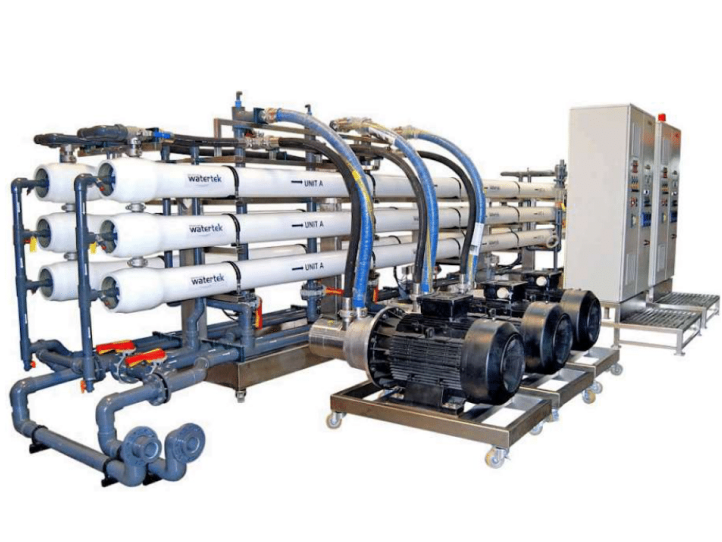
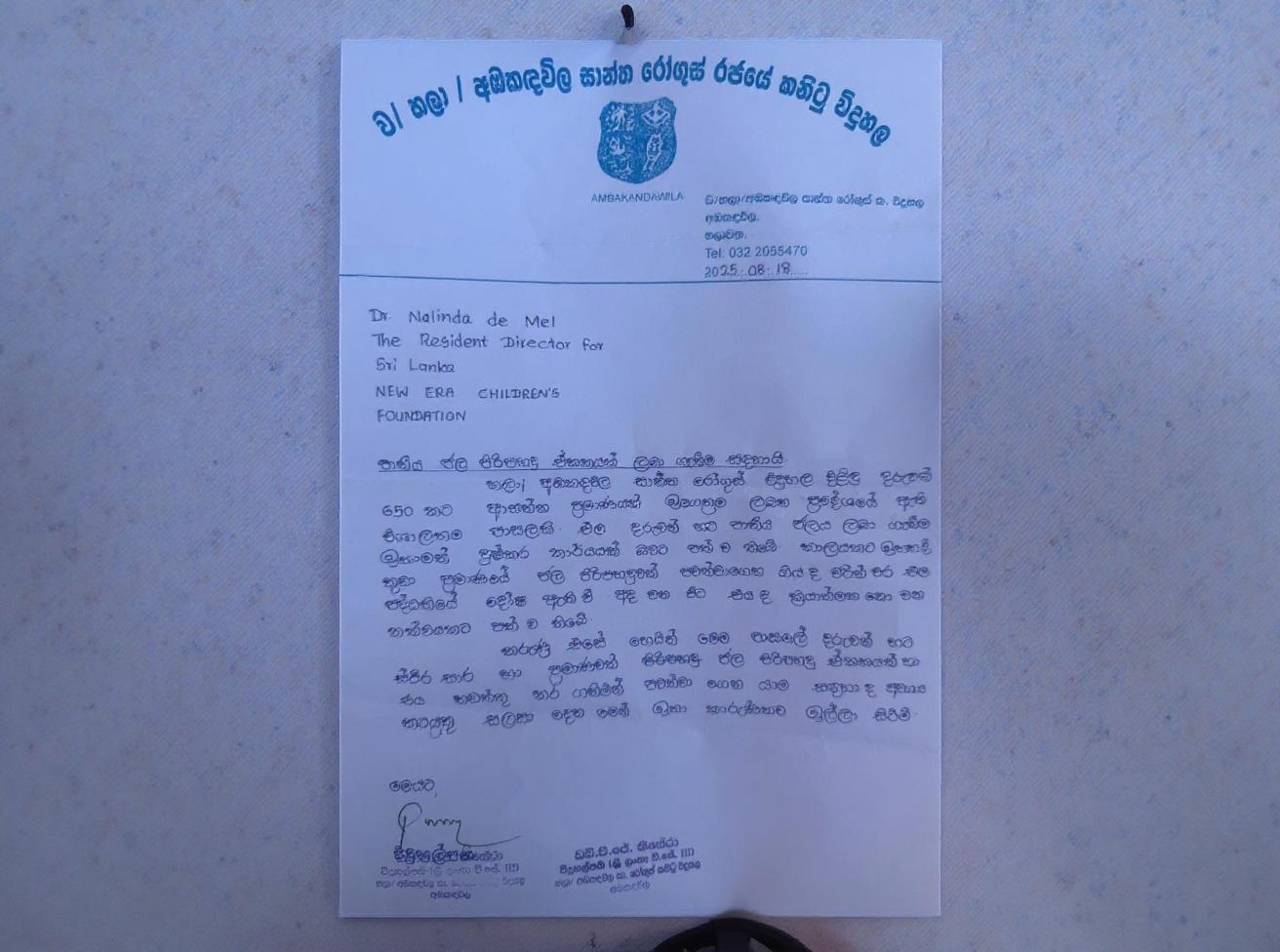
At Rogus Junior College, Anamaduwa, Western Province, Sri Lanka, we are working on an ambitious yet essential project to improve the health and well-being of students. The initiative focuses on two critical areas: the construction of new toilet facilities for both boys and girls and the installation of a clean drinking water filtration system.

Addressing Urgent Needs

For many children in rural schools, the absence of proper sanitation and access to safe drinking water is a daily struggle. At Rogus Junior College, existing facilities are limited and outdated, making it difficult for students to focus on their studies. Girls, in particular, face additional challenges when schools lack adequate sanitation, which can affect their attendance and participation in education.

By providing hygienic toilets and filtered drinking water, we are taking important steps to ensure that every child has a safe and supportive learning environment.

Our Approach

The project is being carried out in close collaboration with the school administration and local community. It includes:

  • Construction of gender-specific toilet blocks with proper waste management systems.
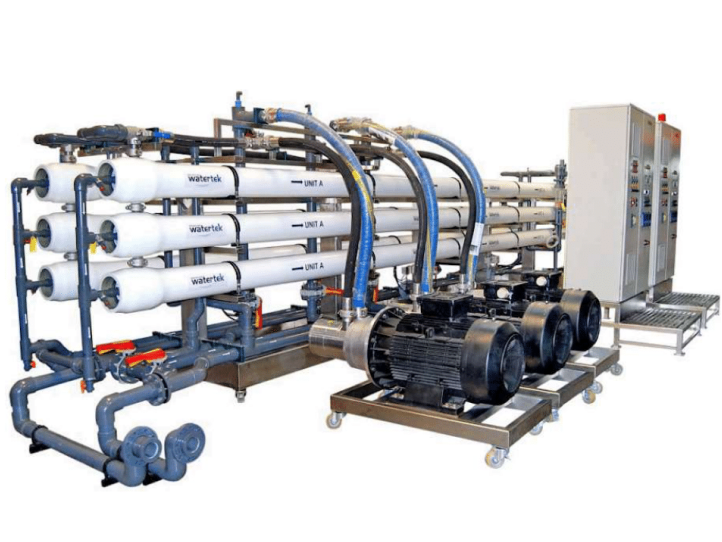
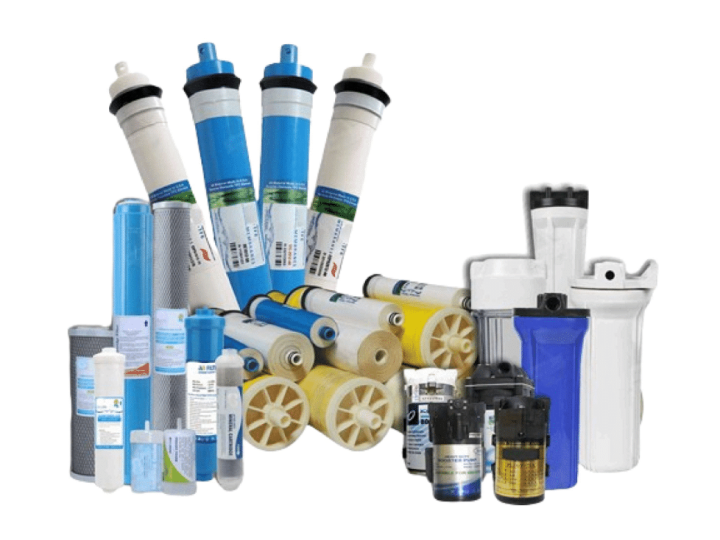
  • Installation of a modern water filtration unit to provide clean and safe drinking water throughout the school day.
  • Awareness sessions on hygiene and water conservation, helping children develop lifelong habits that protect their health and the environment.

Beyond Infrastructure

While the physical facilities are vital, this project goes further by promoting a culture of cleanliness, dignity, and respect. Clean water and proper sanitation are not luxuries—they are fundamental rights that support learning, growth, and equal opportunity.

Looking Ahead

Once completed, the new toilets and water system will directly benefit hundreds of students and staff members. Over time, the improvements are expected to reduce absenteeism caused by illness, boost confidence among students, and encourage greater participation in school life.

Our long-term vision is to replicate this model in other rural schools across Sri Lanka, ensuring that no child is left behind due to preventable health and sanitation issues.

A Call for Support

This initiative reflects our commitment to creating safe, healthy, and inclusive educational environments. With continued support from donors, partners, and well-wishers, we can complete this project and expand its reach—giving children in Anamaduwa, and beyond, the chance to learn and grow without barriers.
necf
necf
necf

Awareness of Farming and Sustainable Food Production

Awareness of Farming and Sustainable Food Production – Karaikal, Puducherry
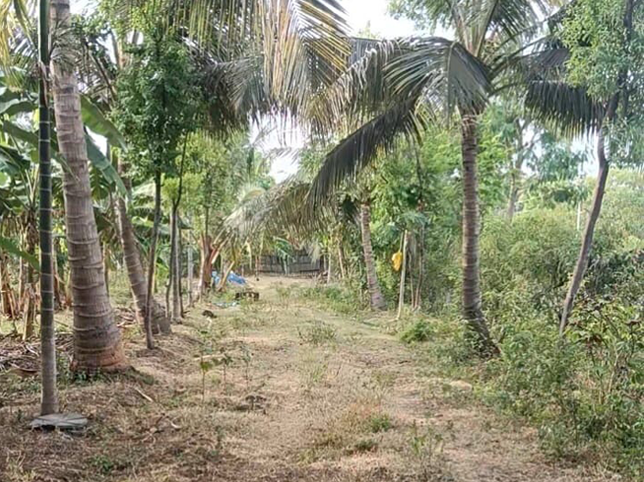
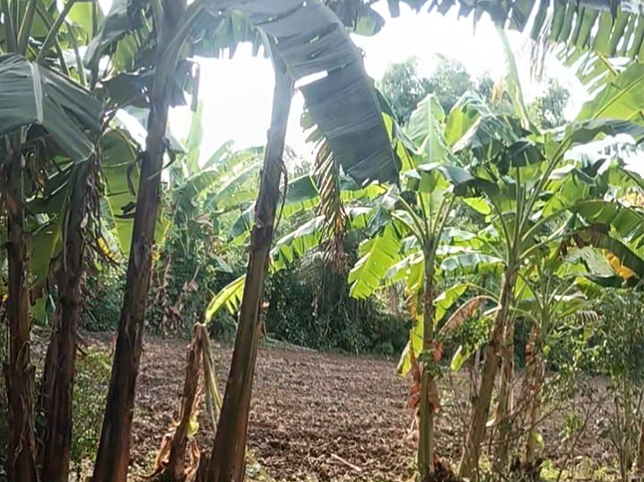
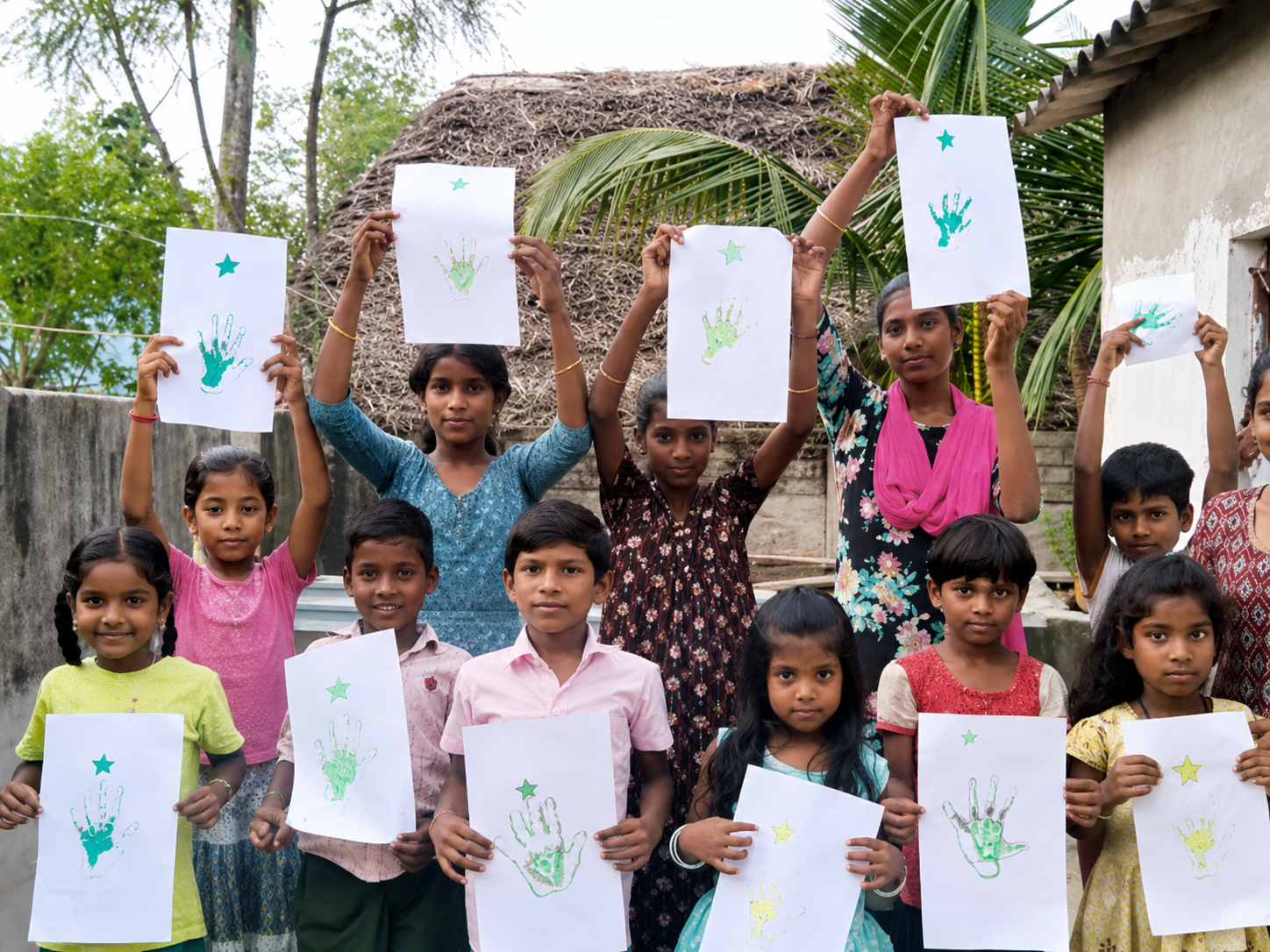
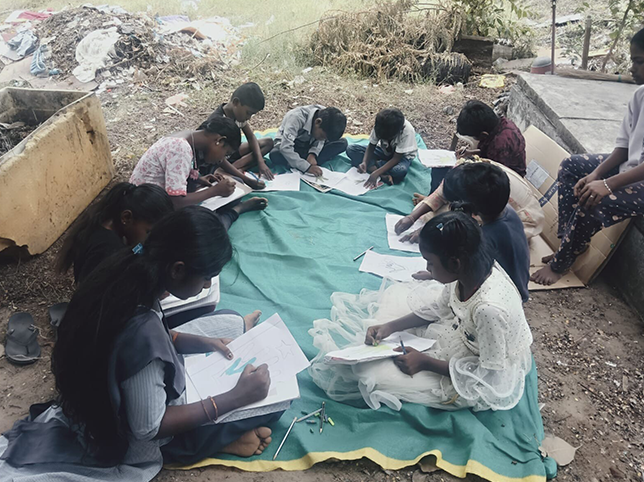
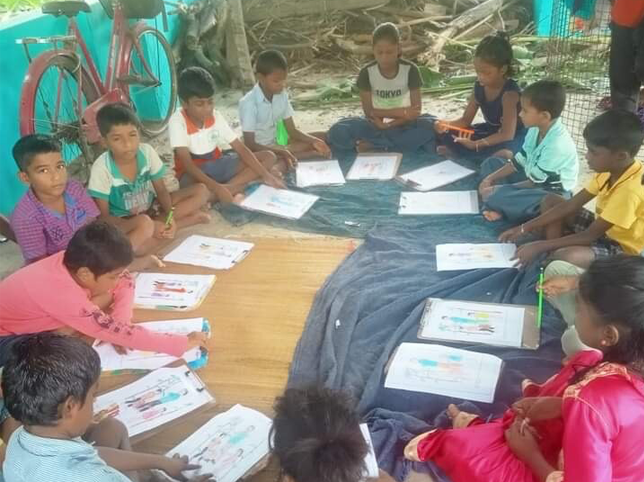
In Karaikal, Puducherry, we have launched a small yet impactful project to raise awareness about farming and sustainable food production among children. The initiative is rooted in the belief that education must extend beyond classrooms and equip young minds with practical knowledge about life, nature, and the resources that sustain us.

Why This Project Matters

Today’s generation is growing up in a world where food often appears as a finished product, disconnected from the fields, farmers, and hard work behind it. By helping children understand where their food comes from, we hope to foster appreciation for agriculture and create a sense of responsibility towards the environment. The project also emphasizes the importance of adopting sustainable practices to protect soil, water, and biodiversity for the future.

Learning Through Experience

The program is designed around interactive and hands-on learning. Children actively participate in:

  • Exploring basic farming methods and learning about local agricultural practices.
  • Understanding soil, water, and climate and how they affect crops and harvests.
  • Discovering organic farming techniques, with a focus on natural fertilizers and pesticides.
  • Discussing food waste and simple ways to consume responsibly at home and in schools.

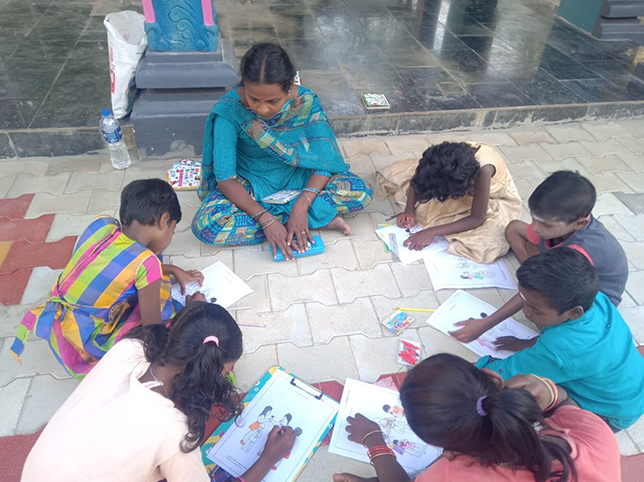
Instead of lectures alone, activities such as planting seeds, maintaining small garden patches, and observing crop cycles allow children to learn by doing, making the lessons memorable and enjoyable.

Building Respect for Farmers and Nature

This initiative is more than an educational program—it is a bridge connecting children with the farmers and land that feed them. By nurturing this connection, we hope to instill respect for the farming community and encourage children to see agriculture as both a noble profession and a vital part of our society.

Looking Ahead

As the project grows, our vision is to:

  • Establish kitchen gardens in schools where children can grow vegetables and herbs.
  • Host workshops with local farmers, enabling students to learn directly from their experiences.
  • Organize community events that involve parents, teachers, and residents, reinforcing the message of sustainable living.
  • Develop educational resources in local languages so that knowledge can reach beyond the classroom and into homes.

A Step Toward a Sustainable Future

By connecting children with farming practices early in life, we are not only creating awareness but also shaping values that will stay with them for years. This project is a step toward building a generation that values sustainability, food security, and mindful living—ensuring that the bond between people, food, and nature remains strong for the future.

necf
necf
necf

Development of a small school Karaikal

Nurturing Young Minds in Karaikal

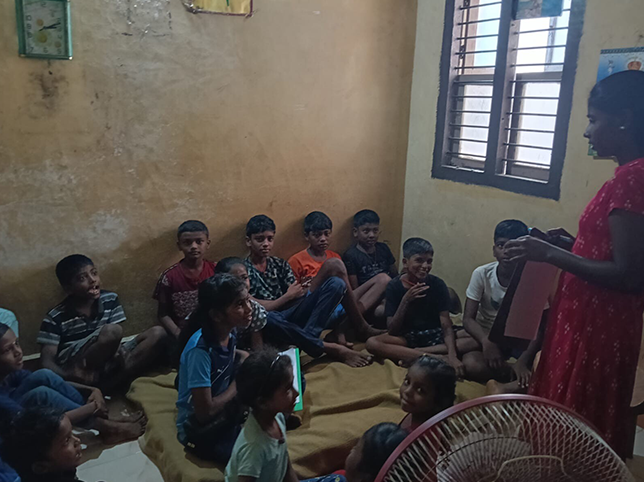
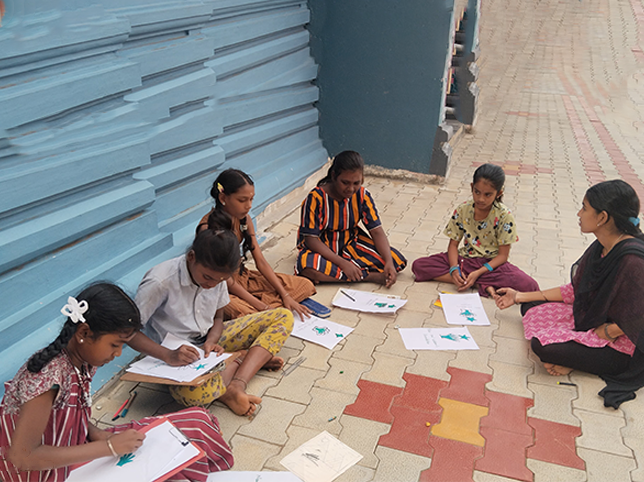
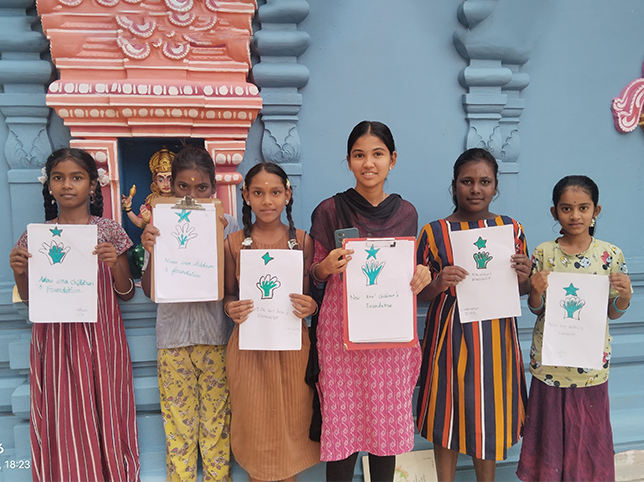
At our NGO, we believe that every child deserves an education that goes beyond textbooks. Guided by this vision, we have established a small school in Karaikal, India, where children attend eight regular classes designed to prepare them not only for academics but also for life.

Our Approach to Education

We place equal emphasis on learning, creativity, and personal growth. The school offers:

  • Teaching & Academics – building strong foundations in core subjects.
  • Music & Arts – encouraging creativity, expression, and imagination.
  • Cultural Education – helping children stay connected to their traditions while embracing diversity.
  • Health Education – promoting awareness of hygiene, nutrition, and overall well-being.

Why Karaikal?

Karaikal, a coastal town in the Union Territory of Puducherry, is home to many children who have limited access to quality education. By creating this school, we aim to bridge that gap and provide a safe, supportive space where young learners can thrive.

More Than a Classroom

Our school is not just a place for lessons—it is a community center where children learn values such as empathy, discipline, and teamwork. Parents and community members are encouraged to participate actively, making education a collective effort.

The Road Ahead

Setting up the school is only the beginning. Our future plans include:

  • Expanding classroom facilities.
  • Providing modern teaching aids and learning resources.
  • Organizing extracurricular activities, cultural events, and workshops.
  • Offering scholarships to children from disadvantaged backgrounds.

Join Us in Making a Difference

This initiative shows how meaningful change can begin with small, dedicated steps. With your support, we can continue to empower children in Karaikal—helping them dream bigger, learn with confidence, and grow into responsible citizens of tomorrow.

necf
necf
necf
necf
necf
necf
necf
necf

Free Vegetables Sri lanka

necf
necf
necf

Vision: To give children in Sri Lankan Villages the advantage of healthier lives by providing free vegetables.

Mission: Supporting villages through sustainable agriculture to ensure every child has access to nutritious vegetables, fostering a foundation of health, education, and socio-economic development for a brighter, self-sufficient future.

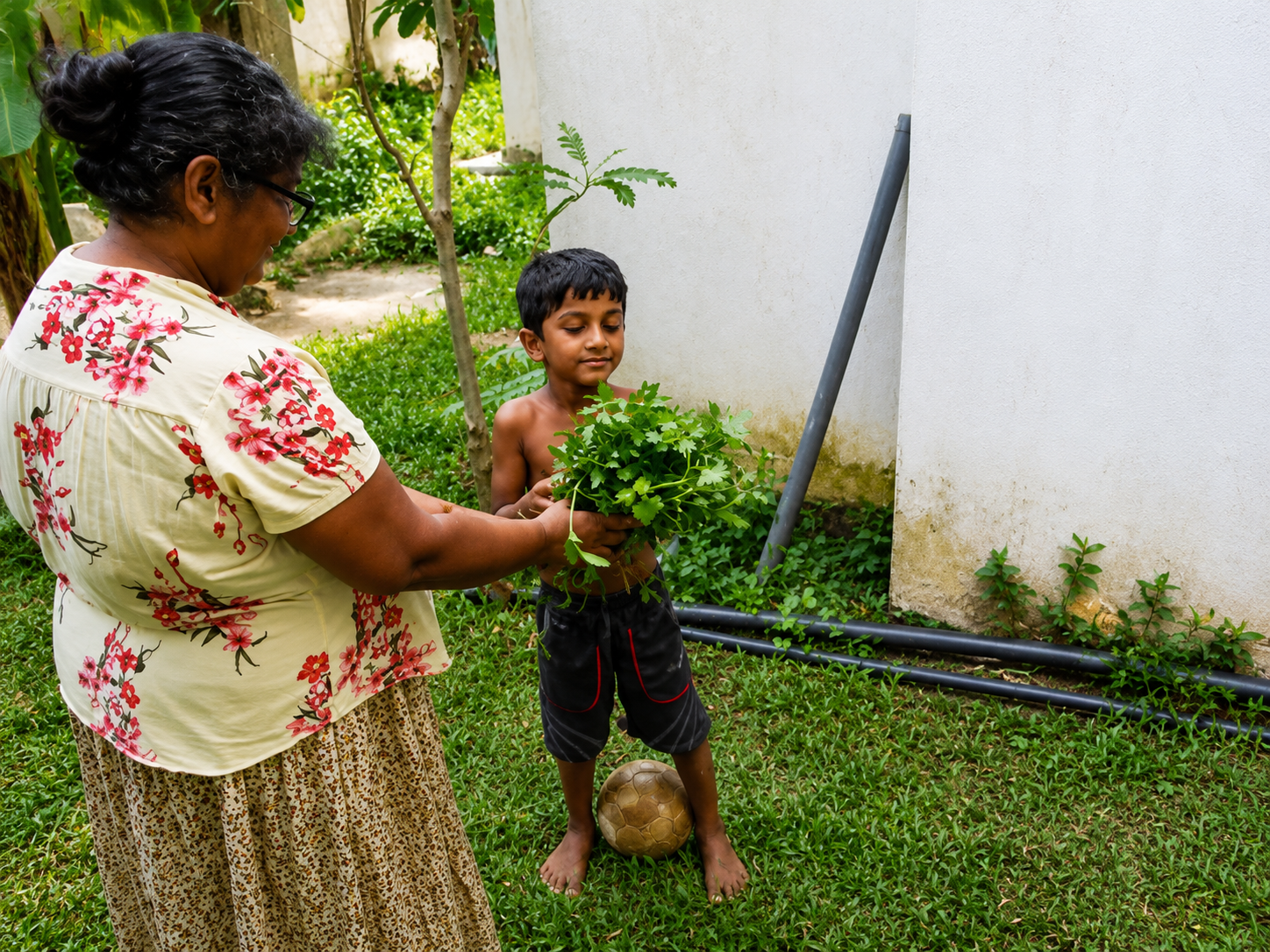
In an endeavor to address nutritional deficiencies and bolster the well-being of village children, the Sri Lankan Socio-Economic Development project embarked on a pioneering initiative to provide free vegetables to families in need. This project, deeply rooted in the principles of community support and sustainable development, aims to ensure that every child has access to the essential nutrients required for healthy growth and development.

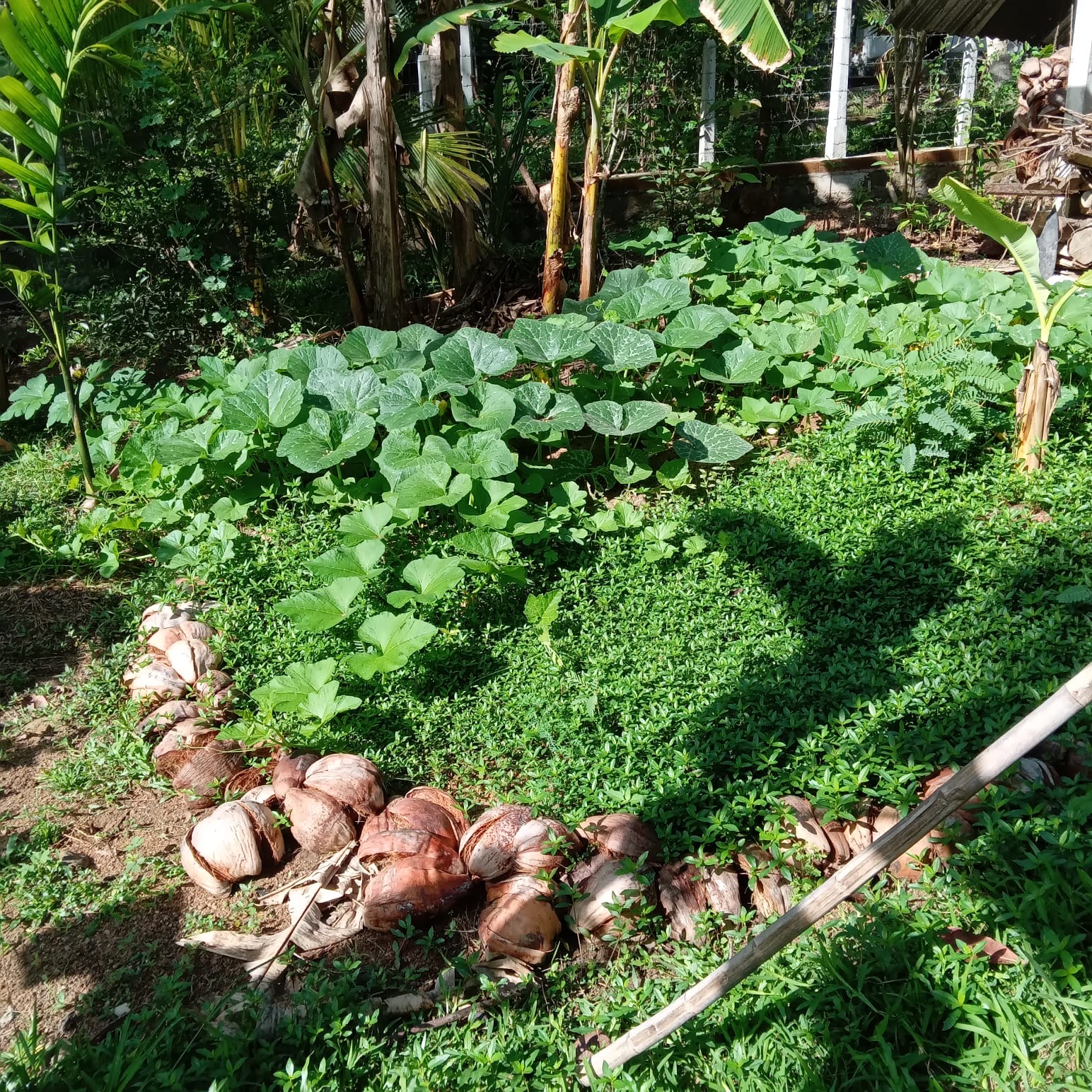
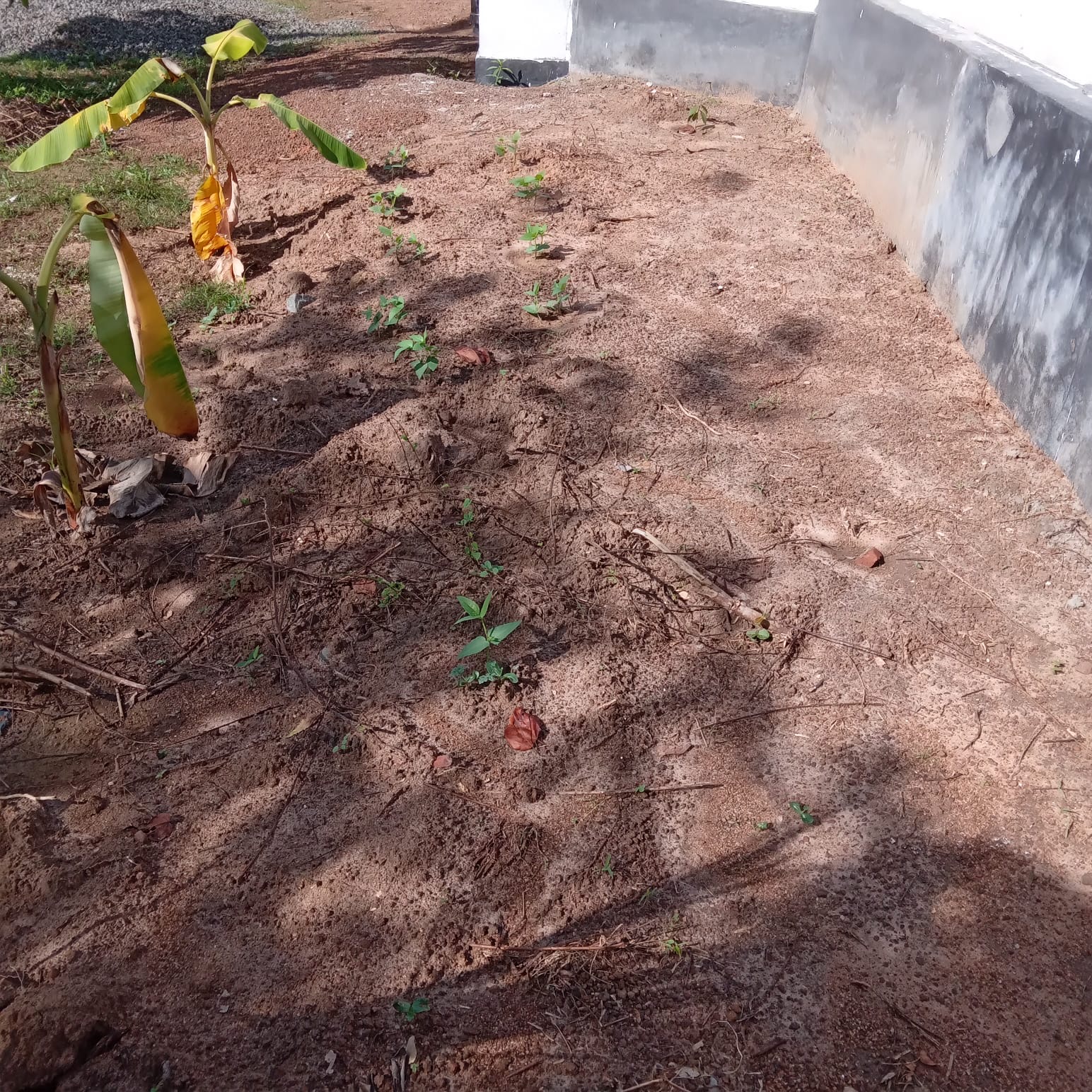
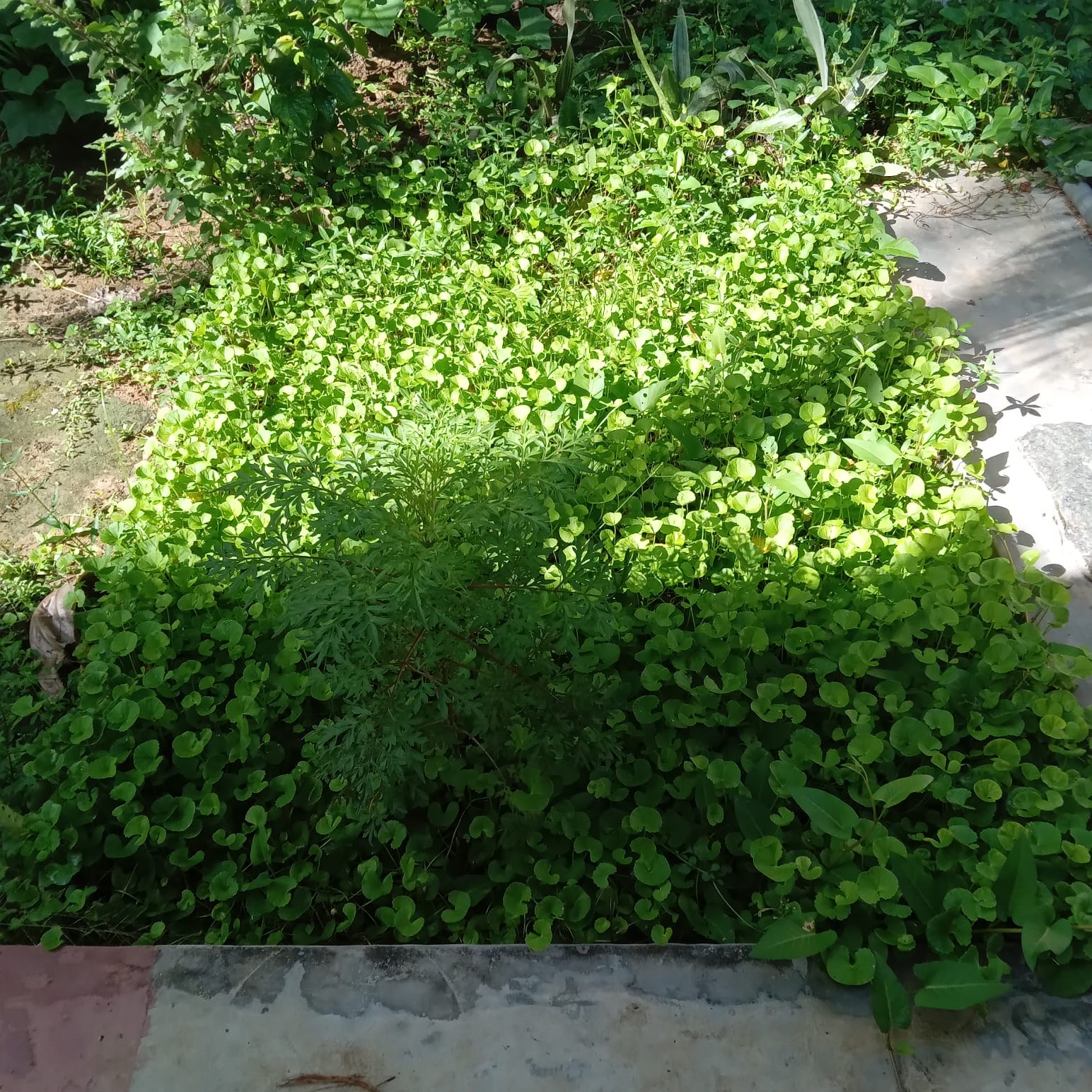
At the heart of this initiative is the cultivation of community gardens, strategically located within village boundaries. These gardens are not only a source of a diverse range of vegetables but also serve as a communal space for learning and engagement. By involving local families in the gardening process, the project fosters a sense of ownership and responsibility towards communal well-being, while imparting valuable agricultural skills and knowledge.

The distribution of free vegetables is conducted with meticulous planning to reach the most vulnerable segments of the village population. Priority is given to families with young children, ensuring that these households receive a steady supply of fresh produce. This direct approach to combating malnutrition has shown promising results, with noticeable improvements in the health and vitality of the children benefiting from the program.

Beyond its immediate impact on child nutrition, the project is designed to stimulate socio-economic growth within the villages. By promoting sustainable agricultural practices and encouraging community-led initiatives, it lays the groundwork for long-term food security and resilience against economic challenges. The skills and knowledge imparted through the project are invaluable assets that empower villagers to take charge of their future, fostering an environment where children can thrive not just physically, but in all aspects of their lives.

The Sri Lankan Socio-Economic Development project stands as a beacon of hope and innovation, illustrating how targeted interventions can transform the lives of children and their communities. Through its commitment to providing free vegetables and nurturing a culture of self-sufficiency and mutual support, the project is paving the way for a healthier, more prosperous future for Sri Lanka’s village populations.

Clean Water in rural Schools

Vision: To give children in Sri Lankan Villages the advantage of healthier lives by providing clean water.

Mission: Raise necessary funds to install additional wells in schools to provide families clean water. NECF educates, advices, builds sanitary facilities and cooperates with villagers to reduce water borne diseases enhancing the opportunity for children to be educated.

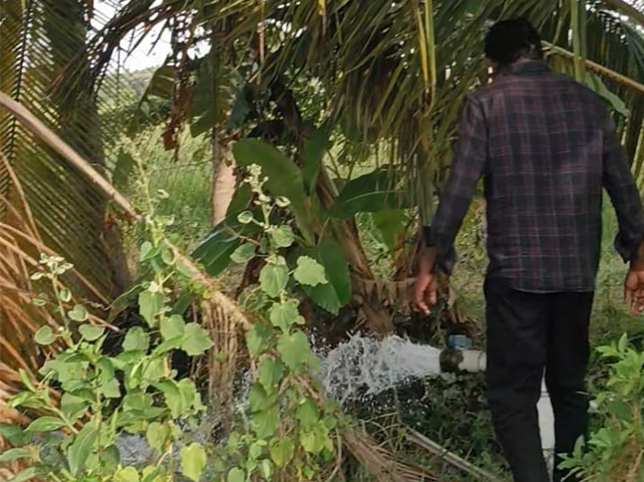
In the heart of Sri Lanka’s picturesque villages, the New Era Children’s Fund (NECF) embarked on a mission of profound transformation. Our Clean Water Projects wove a ripple of change through rural communities, ensuring that every child had the foundation for a healthier, brighter future. This initiative was driven by a simple yet powerful vision: to gift children in Sri Lankan villages the advantage of healthier lives by providing access to clean water.

Our mission was clear and compelling—to raise the necessary funds to bring this vision to life by installing additional wells in school premises, thereby providing families and communities with clean water. This endeavor went beyond mere infrastructure; it was about educating, advising, and building alongside villagers to significantly reduce waterborne diseases. By doing so, we were not just enhancing children’s health but also amplifying their opportunities for education.

The tangible goals of our Clean Water Project were ambitious and heartening:

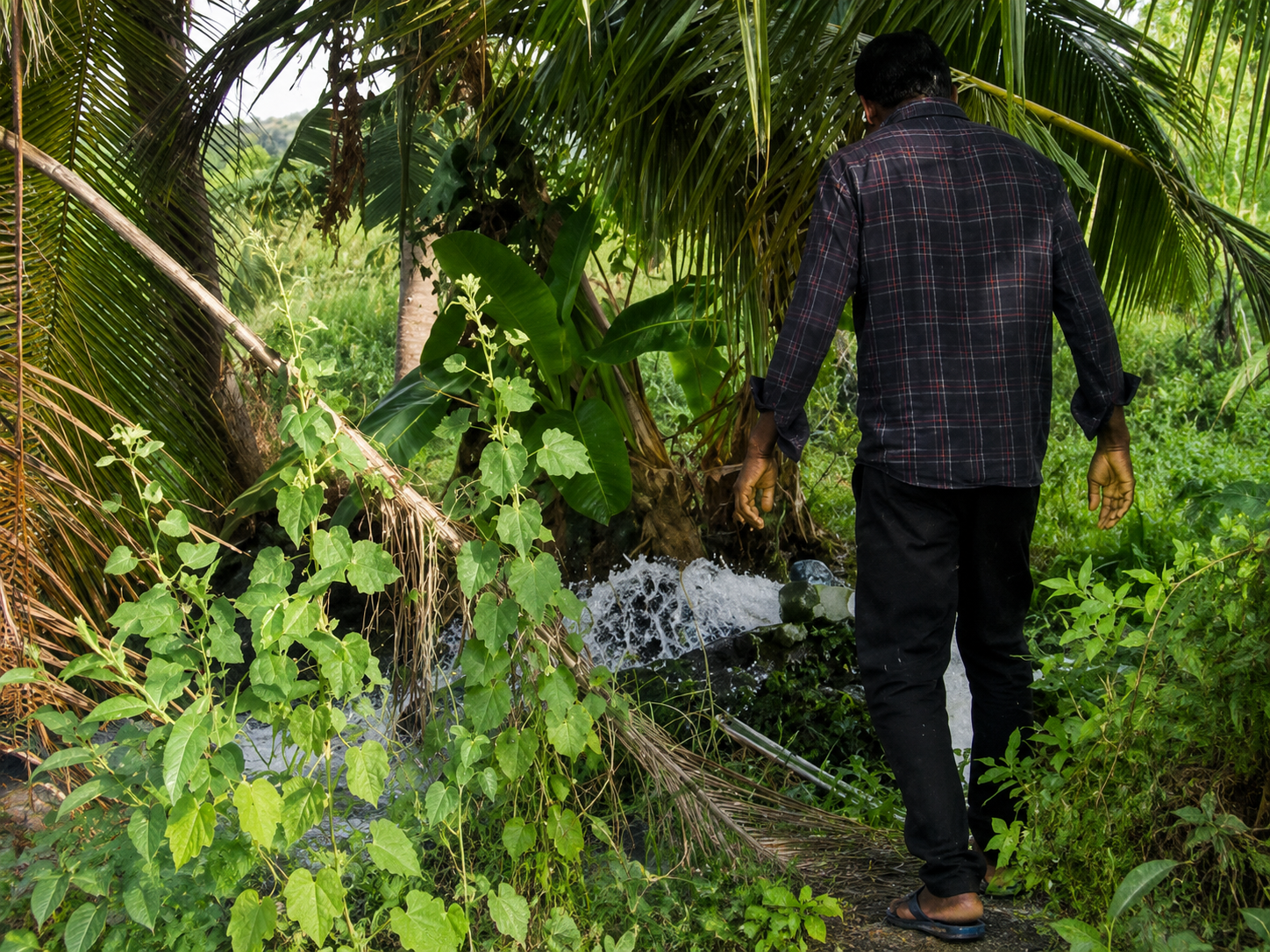
  • We constructed water wells in the premises of 1,000 selected rural schools, creating a lifeline of clean water for countless children and their families.
  • Alongside each well, we aimed to construct an overhead water tank, install solar-powered water pumps for sustainability, and ensure clean drinking water through filters installed in the downward pipes from these tanks.
  • Recognizing the importance of sanitation, we were committed to building twin toilets with running water for male and female students in each project school, along with restrooms for school staff.

Our efforts had already taken root in several project areas, including Embilipitiya, Pinketiya, Yatiyantota, Kandy, and Chilaw. In each community, NECF’s work was a testament to our belief in practical, impactful action—a belief that clean water is not just a necessity but a right that can unlock the door to education and a future filled with possibilities.

Through the Clean Water Projects, NECF did not just install infrastructure; we planted seeds of hope and nurtured the growth of healthier communities. Each well we dug, each toilet we built, and every filter we installed was a step towards a future where every child could thrive, free from the constraints of waterborne diseases. We invited our donors and investors to join us in this vital mission. Together, we turned the tide for rural schools in Sri Lanka, ensuring that clean water flowed as freely as the dreams of its children.