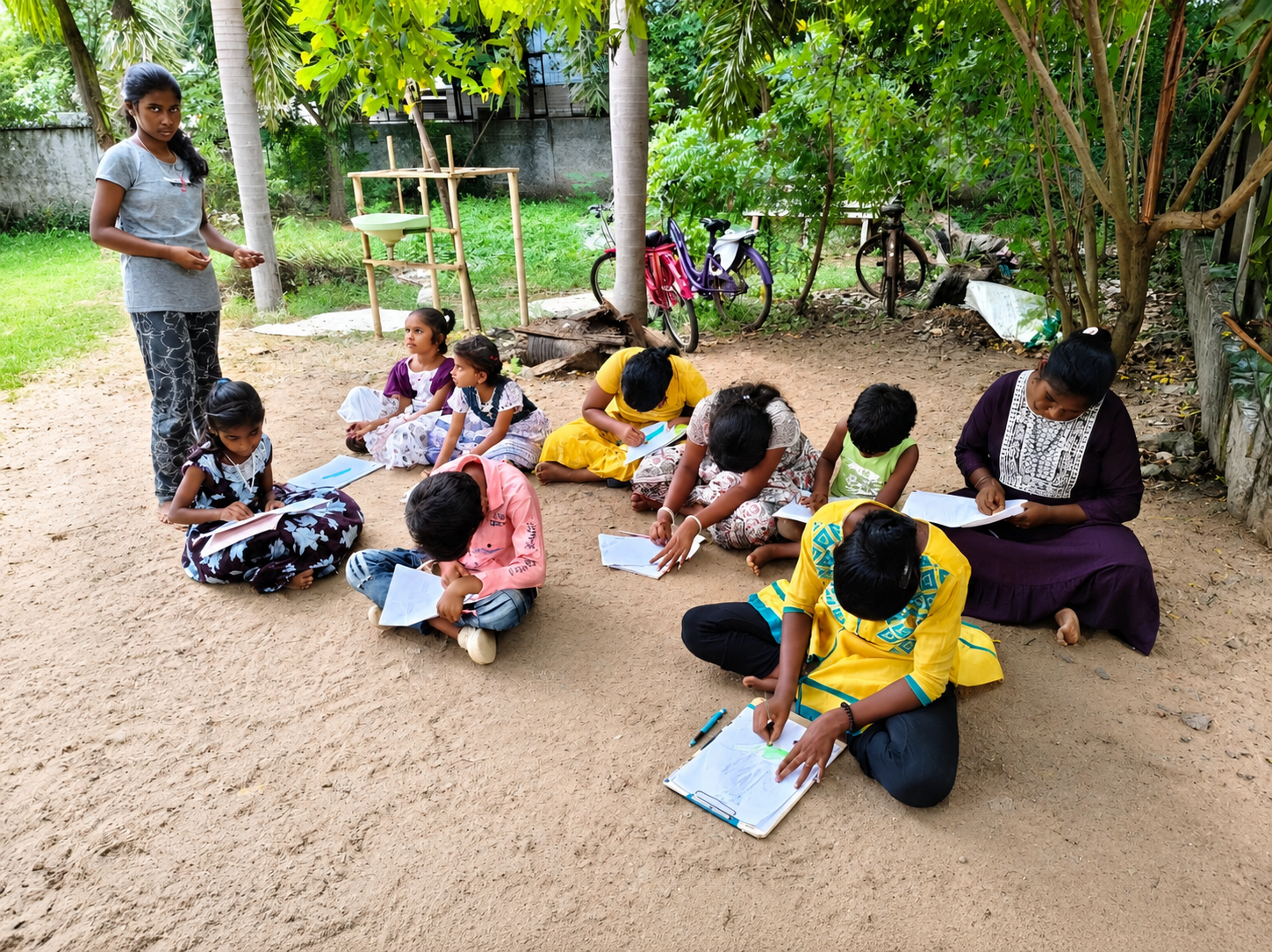
In a world obsessed with innovation, we often assume that solving big challenges requires sophisticated technology, complex systems, or groundbreaking inventions. But some of the most transformative solutions are surprisingly simple.
One of the greatest challenges in education today is not getting children into classrooms—it’s ensuring they actually learn. Millions of children attend school every day, yet struggle with basic reading and math skills. They advance through grades without mastering the fundamentals that shape future opportunities.
Addressing this challenge doesn’t always require reinventing education. Sometimes, it starts with a simple shift in perspective: understanding where each child is in their learning journey before deciding where they should go next.
When teaching is aligned with a child’s current learning level rather than their age or grade, something remarkable happens. Learning becomes more meaningful, engagement increases, and progress accelerates. By focusing on foundational skills and providing targeted support, educators can help children build confidence and achieve measurable learning gains.
The strength of this approach lies in its practicality. It does not depend on expensive technology, new infrastructure, or large-scale system overhauls. Instead, it works within existing educational environments, making it adaptable across diverse communities, cultures, and school systems.
What makes simplicity so powerful is its ability to scale. Straightforward solutions are easier to understand, implement, and sustain. They create clarity for teachers, students, administrators, and policymakers alike.
Of course, simple does not mean effortless. Successful implementation requires training, ongoing support, accountability, and strong collaboration across the education ecosystem. Sustainable change depends on people, processes, and commitment—not just ideas.
As we look for ways to address complex global challenges, it may be time to rethink what innovation really means. Innovation is not always about creating something new. Sometimes, it’s about identifying what truly works, removing unnecessary complexity, and focusing relentlessly on the fundamentals.
The future of education—and many other sectors—may depend less on finding the next big breakthrough and more on applying simple, evidence-based solutions at scale.
Because when solutions are practical, accessible, and centered on people, they have the power to create lasting impact.